 SW Paving and Sealcoating
How Thick Your Pavement Should Be for Strength and Long Life
The right thickness depends on how the surface will be used. A home driveway needs less thickness than a busy parking lot or road. For most homes, 2 to 3 inches of compacted asphalt works well. For heavy vehicle traffic, you may need 4 to 6 inches or more. Choosing the correct asphalt paving thickness helps prevent cracks, ruts, and early failure.
What You Need to Know Before You Start
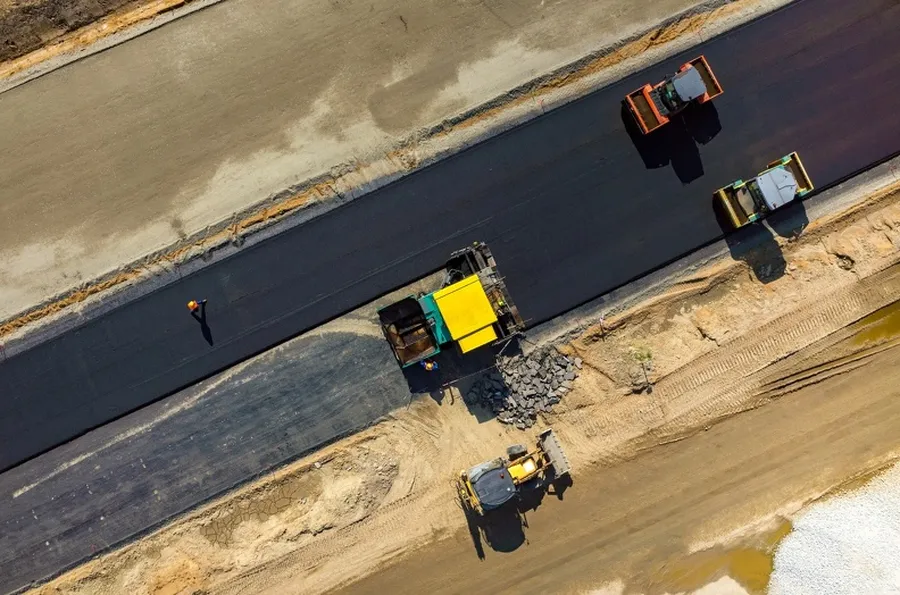
Before any asphalt paving project begins, you need to know three key things: the type of traffic, the soil condition, and the base layer strength. These factors decide how thick the pavement should be.
Light use areas, such as walkways or small driveways, carry cars and small trucks. Heavy use areas, such as loading docks, carry delivery trucks and equipment. The heavier the load, the thicker the pavement should be.
The ground under the pavement matters just as much. Soft or wet soil may need a thicker stone base. A strong base supports the asphalt and spreads out weight. Without it, even thick pavement can crack.
Step-by-Step: How to Choose the Right Thickness
Use these steps to plan your project the right way:
- Identify traffic type. Count how many vehicles use the space each day. Note if heavy trucks are included.
- Check the subgrade. Test the soil. If it feels soft or shifts under pressure, it may need added support.
- Install a solid base layer. Most projects need 4 to 8 inches of compacted gravel.
- Select asphalt depth. Residential driveways: 2 to 3 inches compacted. Parking lots: 3 to 4 inches. Heavy truck areas: 4+ inches.
- Compact in layers. Asphalt should be laid and compacted in lifts for better strength.
Following these steps improves performance and helps the surface last longer.
Common Mistakes to Avoid
Many paving problems come from cutting corners. One common mistake is installing asphalt that is too thin. It may look fine at first, but it can crack within a year.
Another mistake is ignoring the base. Asphalt paving is only as strong as what is under it. A weak or thin stone base leads to sinking and potholes.
Some property owners also skip proper compaction. If the material is not compacted evenly, weak spots form. Water can seep in and damage the surface during freeze and thaw cycles.
Trying to save money by reducing thickness often leads to higher repair costs later.
When Thickness Should Be Increased
There are times when a standard depth is not enough. You may need extra thickness if:
- The area has delivery trucks or RV parking
- The soil holds water after rain
- The pavement connects to a public road
- You plan to expand into light commercial paving use
Adding thickness increases strength and spreads out vehicle weight. This reduces stress on the base and subgrade.
How Climate Affects Performance
Weather plays a big role in asphalt paving life span. In areas with cold winters, water can freeze under the pavement. This causes expansion and cracks. A thicker asphalt layer helps protect against moisture damage.
Hot climates can soften asphalt. Heavy vehicles may leave ruts if the surface is too thin. Proper thickness helps the pavement resist pressure even in high heat.
Rainfall matters too. Good drainage combined with the right depth protects the base layer and keeps the pavement stable.
Final Recommendation and Local Help
If you are planning asphalt paving in Prescott, AZ, we can help you choose the right thickness for your property and traffic needs. At SW Paving and Sealcoating, we evaluate soil, usage, and long-term performance to build pavement that lasts. Call us at (928) 800-1987 to schedule an on-site visit and get clear answers about the best solution for your project.