 SW Paving and Sealcoating
How to Choose the Right Repair Method for Your Pavement
The different methods of asphalt patching include throw-and-roll, spray injection, infrared repair, and full-depth patching. Each method fixes a different type of damage. The right choice depends on the size of the hole, how deep the damage goes, and how long you need the repair to last. Some methods are quick and low cost. Others take more time but last much longer.
Quick Decision Answer
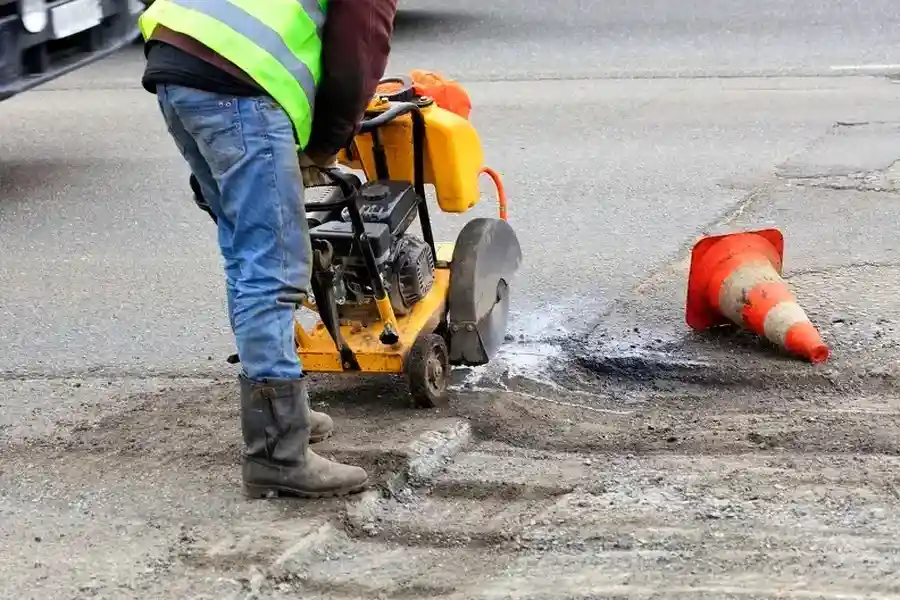
If you have small potholes and need a fast fix, throw-and-roll may work. If the damage is deep and spreading, full-depth patching is often the better choice. Infrared repair blends well with existing pavement and works best for surface damage. Spray injection is fast and works well for small to mid-sized holes. The best method depends on your pavement’s condition and how much traffic it handles.
Option A Vs Option B Criteria
Here is how the most common asphalt patching methods compare:
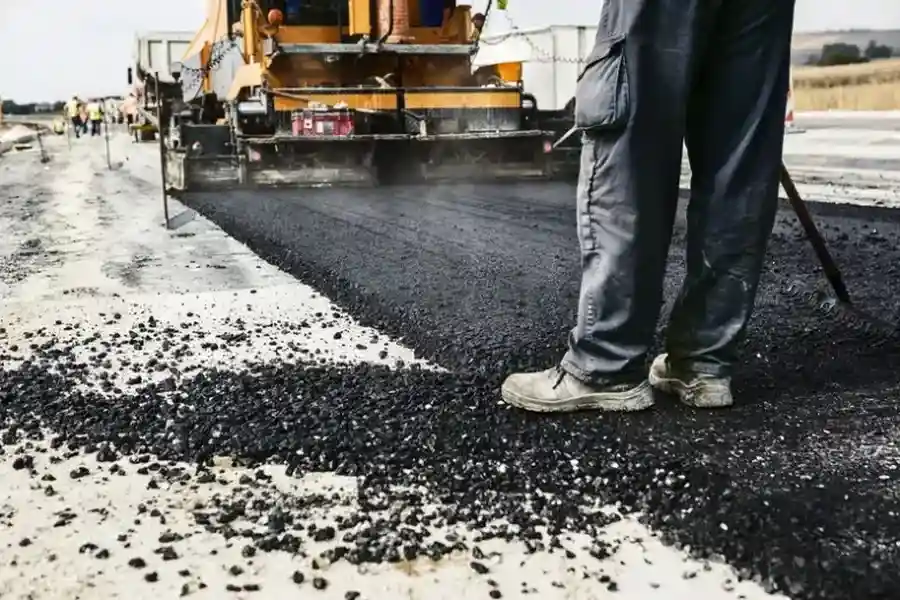
- Throw-and-roll: Quick surface patch placed in a pothole and compacted.
- Spray injection: High-pressure air cleans the hole, then a mix of oil and stone fills it.
- Infrared repair: Heat softens existing asphalt so new material blends in.
- Full-depth patching: Damaged asphalt is cut out and replaced from the base up.
The main difference comes down to depth of damage and expected life span. Surface issues need lighter repairs. Structural issues need deeper work.
Pros and Cons of Each Method
Every repair option has strengths and limits.
- Throw-and-roll Pros: Fast and low cost. Good for temporary fixes.
- Throw-and-roll Cons: Does not last long in heavy traffic.
- Spray injection Pros: No cutting required. Seals cracks while filling holes.
- Spray injection Cons: Not ideal for very large or deep potholes.
- Infrared repair Pros: Seamless finish. Blends old and new asphalt.
- Infrared repair Cons: Works best on surface-level damage only.
- Full-depth patching Pros: Long-lasting. Fixes base failures.
- Full-depth patching Cons: More labor and time required.
Asphalt patching is not one-size-fits-all. Picking the wrong method may mean the pothole comes back within months.
Best Fit by Scenario
Here is a simple way to match the method to your situation:
- If the pothole is shallow and less than two inches deep, consider throw-and-roll.
- If the hole is small but edges are starting to crack, spray injection may work well.
- If the surface is cracking or raveling but the base is solid, infrared repair is a good option.
- If water has damaged the base layer or the pavement feels soft, full-depth patching is usually needed.
Parking lots with heavy truck traffic often need stronger repairs. Residential driveways may need less intensive work. The amount of use matters just as much as the damage size.
Mistakes People Make When Choosing
One common mistake is choosing the cheapest and fastest option for every problem. Quick repairs may save money today but cost more later if the hole reopens.
Another mistake is ignoring the base layer. If the ground under the asphalt is weak, surface patching will not hold. Water is often the hidden cause of repeat potholes.
Some property owners also wait too long. Small cracks grow. Small holes become large ones. Early asphalt patching is easier and more affordable than replacing large sections.
Final Decision Checklist
Before choosing a repair method, ask these questions:
- How deep is the damage?
- Is water draining properly from the area?
- How much traffic does this pavement handle each day?
- Do you need a short-term or long-term fix?
- Is the base layer still stable?
If you are unsure about any of these answers, a professional inspection can help you avoid guesswork. A trained crew can spot base failure, drainage issues, and weak edges that are easy to miss.
Contact a Local Team for Expert Help
If you need asphalt patching in Prescott, AZ, our team at SW Paving and Sealcoating can inspect your pavement and recommend the right repair method for your specific situation. We focus on lasting solutions, not quick cover-ups. Call us at (928) 800-1987 to schedule an evaluation and let us help protect your pavement from further damage.