 SW Paving and Sealcoating
How Protective Coatings Help Stop Pavement Wear and Washout
Surface erosion happens when water, sun, and traffic slowly wear down your pavement. Asphalt Sealing helps stop this damage by adding a protective layer that blocks moisture and slows oxidation. When asphalt is sealed on a regular schedule, it resists cracking, raveling, and surface breakdown. This simple maintenance step can add years to the life of a driveway or parking lot.
Why Prevention Matters
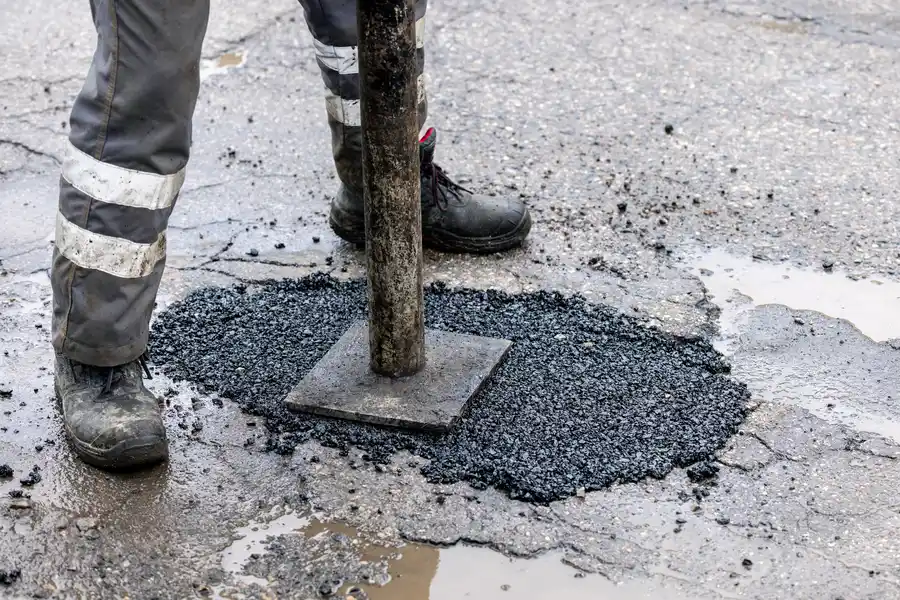
Asphalt may look solid, but it is slightly porous. Water can seep into tiny openings on the surface. When temperatures change, that water expands and weakens the pavement. Over time, the top layer begins to break apart. This is surface erosion.
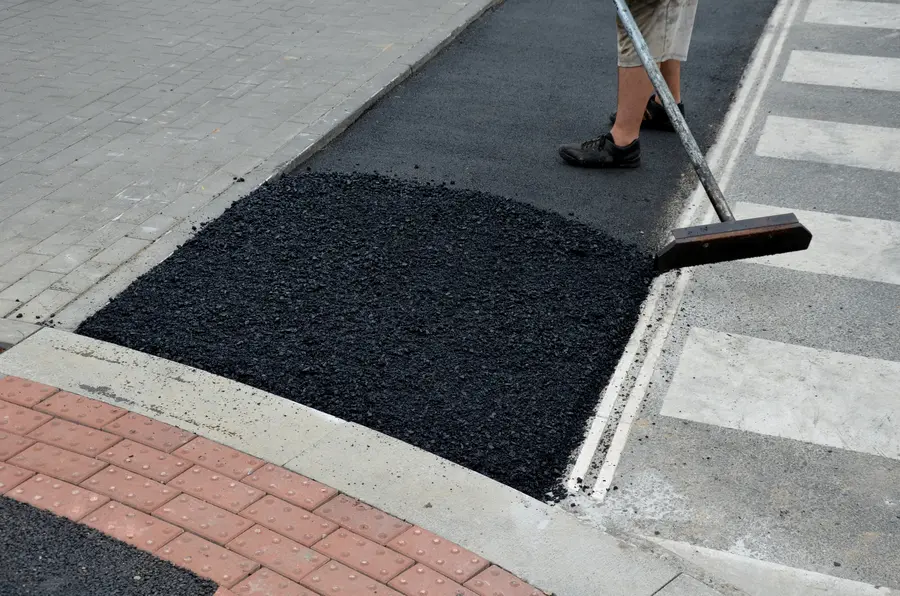
Without protection, sunlight also dries out the asphalt binder. The surface turns gray and brittle. Small stones come loose. The pavement becomes rough and thin. Asphalt Sealing creates a shield that reduces water entry and blocks UV rays. That shield slows down the aging process.
Early Warning Signs of Surface Erosion
It helps to spot erosion early. Catching small issues can prevent larger repairs later.
- Faded gray color instead of deep black
- Loose gravel or sand on the surface
- Small surface cracks
- Rough texture or shallow pits
- Water soaking in instead of beading up
If you notice these signs, your pavement may be losing its top layer. Sealing at this stage can slow further damage.
Seasonal and Routine Maintenance Checklist
Regular care is the best way to prevent erosion. A simple yearly plan helps extend pavement life.
- Inspect the surface each spring and fall.
- Clean off dirt, oil, and debris.
- Repair cracks before they spread.
- Seal coat every 2 to 3 years, depending on traffic.
- Keep drainage areas clear of blockages.
Heavy traffic areas may need attention sooner. Parking lots often wear faster than residential driveways. A steady maintenance plan reduces the chance of costly resurfacing.
Best Practices for Long-Term Results
Timing matters. Newly installed asphalt should cure fully before its first seal coat. After that, staying on schedule keeps the surface strong.
Good surface preparation also makes a difference. The pavement should be clean and dry before applying any protective coating. Oil spots need treatment so the sealant bonds well. Two thin coats often perform better than one thick coat.
Proper drainage is another key factor. Water that pools on pavement speeds up erosion. Sloped grading and clear drains help water move away quickly. Combining drainage care with Asphalt Sealing creates better, longer-lasting results.
What Not to Do
Some mistakes can shorten the life of your pavement.
- Applying sealcoat over dirty or wet asphalt
- Skipping crack filling before sealing
- Waiting too long between applications
- Using low-quality materials
- Sealing during very cold or rainy weather
These errors may lead to peeling or poor bonding. That leaves the pavement exposed again. Taking the right steps from the start protects your investment.
When to Schedule Professional Help
Small driveways can sometimes be sealed by property owners, but large areas require skill and proper equipment. Uneven application can cause streaks or weak spots. If cracks are wide or erosion is advanced, deeper repairs may be needed before sealing.
Professionals can check the pavement base, drainage, and overall condition. They can tell you if seal coating alone will solve the issue or if patching is required first. Acting early often means lower repair costs and less downtime.
Protect Your Pavement for the Future
If you want to protect your driveway or parking lot in Prescott, AZ, regular maintenance makes a big difference. At SW Paving and Sealcoating, we apply Asphalt Sealing with careful surface prep and proven materials to help reduce erosion and extend pavement life. Call us at (928) 800-1987 to schedule service or ask questions about your property’s needs, and we will be glad to help you plan the next steps.